
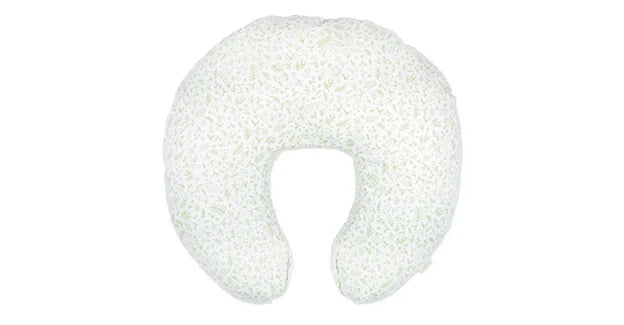
Feeding your baby can be a lovely time to pause and feel close, but getting comfortable sometimes takes a little practice. Your shoulders might feel tense, your arms may tire, or you might catch yourself bending forward throughout a feed. You deserve support during these moments, too.
A feeding pillow can help support your baby’s weight while you hold them close. When positioned properly, it may make feeding feel more manageable. If you’re wondering how to use feeding pillow support comfortably, a few simple adjustments are a good place to start. There’s no pressure to get everything perfect straight away.
Why Nursing Pillows Can Support Your Breastfeeding Journey
You may find a nursing pillow very useful when you are settling into a feeding routine or looking for extra support during longer feeds.
The aim is to bring your baby comfortably towards your breast without making you hunch over. A pillow can support this position, but you’ll still need to hold and guide your baby. Think of it as an extra helping hand beneath your arms.
Whether you’re feeding your first baby or welcoming another little one, your comfort matters. When considering Nintara Baby Feeding Pillows, check the product instructions, dimensions and suitability for your preferred feeding position.
Getting Comfortable Before You Begin
Choose a seat that supports your back and lets you relax your shoulders. Keep your feet supported, using a footstool if needed. Have water and a muslin cloth nearby so you don’t need to stretch awkwardly once feeding begins.
Position the pillow across your lap or around your waist, depending on its design. It should sit securely without pressing uncomfortably against your tummy. Follow the manufacturer’s instructions for any straps or fastenings.
If you are recovering from a caesarean birth, avoid pressure around your incision. A different feeding position may feel more comfortable.
Bringing Your Baby Into Position
If you are learning how to use breastfeeding pillow support, start with your own posture, then gently bring your baby into place.
Hold your baby close, facing your breast, with their head and body aligned. Their nose should be level with your nipple before they attach. Support their neck, shoulders and back while allowing their head to tip back slightly.
Adjust the pillow if you’re bending towards your baby. Bring your baby to your breast rather than leaning forward to reach them. Keep their face visible and clear of the pillow throughout the feed.
Checking Comfort Throughout the Feed
Once feeding starts, notice how your body feels. Are your shoulders relaxed? Is your wrist bent awkwardly? Has the pillow slipped away from you?
Small adjustments are perfectly normal. Pause and reposition whenever you need to. Your baby’s position can change as they move, so stay attentive throughout.
A pillow cannot correct every feeding difficulty. If feeding remains painful or attachment feels difficult, ask your midwife or a qualified breastfeeding professional for support. You don’t have to work through persistent discomfort alone.
Exploring Nursing Pillow Benefits for You and Your Baby
A feeding pillow’s main benefit is practical support. When it suits your body and feeding position, it may help you settle more comfortably and focus on your baby.
Supporting Your Baby’s Position and Attachment
Holding your baby at a comfortable height can make positioning easier. Instead of repeatedly lifting them with tired arms, you can use the pillow beneath your supporting arm and their body.
Your baby still needs room to move their head and attach comfortably. Avoid pushing their head towards your breast or letting their chin fold down towards their chest.
There’s no single pillow height that works for everyone. Your body, your baby’s size and your chosen position all affect what feels right. Adjust the support to suit you both.

Easing Strain on Your Back, Arms and Neck
Long feeds can feel tiring when you’re holding the same position. Supporting some of your baby’s weight may help your arms feel less burdened.
You can also try a different hold. In a cradle hold, your baby lies across your lap. A rugby hold positions them beside you, with a cushion supporting your arm and their body. This may be useful if pressure across your tummy feels uncomfortable.
Making Space for Closeness During Feeds
When you’re more comfortable, you may find it easier to enjoy your baby’s expressions, little pauses and quiet moments.
A pillow doesn’t create your bond, and a difficult feed doesn’t weaken it. Closeness can grow through holding, responding and spending time together, whether you breastfeed or bottle-feed.
If you’re considering the Nintara Baby Nursing Nest, read its intended-use guidance before adding it to your routine. Choose support that fits your needs, and keep holding your baby throughout feeding.
Still have questions? Here we answer your frequently asked questions
-
How Long Can You Use a Feeding Pillow?
You can continue using one for feeding while it remains suitable for your baby and complies with the manufacturer’s guidance. As your baby grows, you may need to adjust your position or stop using it.
Use nursing pillows only for active feeding. Never use one for your baby’s sleep, lounging or unattended support.
-
What Are the Benefits of a Nursing Pillow?
It may support positioning, reduce the effort of holding your baby’s weight and help you feel more comfortable. Results depend on the fit and how you use it.
Keep it clean according to its care instructions. If you’re choosing the Nintara Baby Nursing Nest - Pillow Cover, confirm compatibility and follow the washing guidance.
-
Are Feeding Pillows Necessary?
Your comfort and your baby’s position matter most and a feeding pillow actually just just does that.
Ready to explore feeding support for your routine? Browse Nintara Baby and check each product’s suitability and care guidance. Give yourself time to find what feels comfortable, one feed at a time.


