
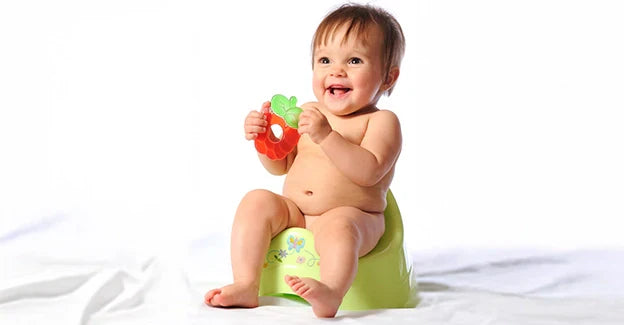
Every child needs to get potty trained, and there’s no prize for going fastest. The goal is a calm, positive experience that helps your little one feel proud and in control.
Before we dive in, if you are refreshing your bathroom basket, consider exploring Nintara Baby’s baby hooded towels, baby washcloths, and gentle baby bath products to make clean-ups cosy and stress-free. When you start to potty train your child, there will be a lot of hiccups. Please don’t scold your child as they are trying to learn.
When is a child ready?
Most children show signs of readiness somewhere between 18 months and 3 years. That’s a wide window, and both ends are absolutely normal. Readiness is less about age and more about cues like:
-
Staying dry for at least 1–2 hours at a time
-
Showing interest in the toilet, wanting to sit like a parent or older sibling
-
Disliking a wet or soiled nappy and asking to be changed
-
Being able to follow simple instructions (“Let’s go to the potty”)
-
Telling you before or as they are weeing or pooing
-
Pulling pants up and down with a little help
Do boys and girls learn differently?
The basics are the same. The differences are usually more about approach than ability:
-
Girls often show readiness of wee and poo around the same time and may progress to pants a touch earlier on average.
-
Boys sometimes benefit from beginning with sitting for both wee and poo, then standing for wee later.
Preparing to potty train
Set the stage before you ask for results. A few days of gentle preparation can dramatically reduce resistance:
-
Language and books: Talk about wee, poo, and where they go. Picture books make it friendly and familiar.
-
Potty placement: Keep a potty where your child plays as well as in the bathroom. Easy access matters.
-
Clothing: Choose simple, elastic-waist bottoms that your little one can manage. Save dungarees and belts for later.
-
Routine cues: Invite a “try” after waking, after meals, before bath, and bedtime.
-
Bath-time link: A soothing bath after accidents helps everyone reset. Soft Nintara Baby washcloths and a cuddly Nintara Baby hooded towel make warm-down time extra comforting.
The first three days: a simple plan
Many families find a focused, home-based start useful. Here’s a straightforward approach that’s kind and effective:
Day 1: Awareness and practice
-
Go nappy-free at home (or use easy-on pants).
-
Offer the potty frequently—on waking, after snacks, before going outside.
-
Celebrate all attempts. If a wee starts mid-room, gently say, “Wee goes in the potty,” and guide them to finish there. No scolding—accidents are information.
Day 2: Building the habit
-
Keep prompting but watch closely for your child’s own cues: pausing play, fidgeting, or finding a quiet corner.
-
Introduce simple, consistent words (“Time to try”, “Wee in the potty”).
-
If they resist, back off for 10–15 minutes and try again. Pressure invites pushback.
Day 3: Confidence and consistency
-
Stretch intervals slightly, aiming for regular potty sits but without constant reminding.
-
Short local outings are fine: bring spare clothes, wipes, and a travel potty or seat if you like.
-
Continue to praise effort (sitting, trying) and celebrate success (wee/poo in potty) with smiles, stickers, or a little dance.
Standing vs sitting for boys
-
Start with sitting for everything. This avoids confusion and helps with bowel movements. Once wee is reliable, you can introduce standing:
-
Teach hand-washing every time, even if it’s just a “try”.

Helping with poo (often the trickiest bit)
Some children happily wee in the potty but want a nappy for poo. That’s common and usually a phase:
-
Keep stools soft with a balanced diet and plenty of water.
-
Invite a sit after meals, the gastro-colic reflex makes “success” more likely.
-
Let their feet rest on the floor or a stool; stable hips and knees make it easier to push.
-
If they ask for a nappy, you can offer it while they sit on the potty or toilet then gradually remove the nappy once they’re comfortable.
Handling accidents with grace
Accidents will happen, even after a brilliant day. Your response teaches your child how to handle slip-ups:
-
Stay neutral: “Oops, wee on the floor. Let’s clean and try again.”
-
Involve them lightly in the clean-up (passing a cloth). This isn’t punishment; it’s practical learning.
-
Freshen up with a quick wash and a soft Nintara Baby washcloth, then wrap them in a snuggly Nintara Baby hooded towel if bathtime follows. Little rituals reassure.
Naps, nights, and outings
Naps: Many children can stay dry for naps within weeks. Encourage a potty try before sleep and right after waking.
Nights: Night dryness is developmental and can lag months (even years) behind daytime. Keep night nappies until mornings are mostly dry. Waterproof mattress protectors keep bedding stress-free.
Outings: Pack spare clothes, wipes, a small wet bag, and tissues. Keep asking them at regular intervals if there is a “pee feeling”.
Motivation: praise the process
Children thrive on attention. Give most of it to the behaviour you want:
-
Label the effort: “You listened to your body and made it to the potty, well done.”
-
Use tiny rewards if they help: stickers on a chart, choosing the bedtime story, a special song after success.
-
Avoid pressure: No shaming, no comparisons, no “big boys don’t…”. Your calm becomes their calm.
Troubleshooting common bumps
-
Refusal to sit: Keep sits brief and positive; read a two-minute book; let them step off without drama.
-
Fear of the toilet: Start with a floor potty, then transition to a toilet seat reducer and a footstool.
-
Regression: Big changes—new sibling, nursery start—can cause setbacks. Go back to basics for a week: more reminders, more praise, more patience.
-
Constipation: Offer water, fruit, and fibre, and speak to your pediatrician if poo is hard or painful.
Hygiene made easy
Good hygiene habits are part of the skill:
-
Wipe front to back (especially important for girls).
-
Pat dry to avoid irritation.
-
Wash hands with soap and water for 20 seconds—make it a song.
-
Keep a small caddy with Baby bath products and washcloths near your changing or bathroom station so everything’s to hand.
What to buy (and what you can skip)
Helpful:
-
A stable potty and/or a toilet trainer seat + footstool.
-
6–8 pairs of soft, easy-up pants.
-
A wet bag for outings.
-
Nintara Baby baby washcloths for quick freshen-ups.
-
A cosy Nintara Baby hooded towel for post-accident baths and evening wind-downs.
-
Mild Nintara Baby bath products that are gentle on sensitive skin.
Optional:
-
Sticker chart, a couple of potty books, and a travel potty.
-
Mattress protector for peace of mind.
Skip:
-
Complicated gadgets or anything that feels like a struggle to clean or store.
With a little preparation, patient coaching, and soft comforts to hand like Nintara Baby’s hooded towels, washcloths, and gentle bath products, you will create a reassuring routine that helps your little one feel capable and proud. When you are set to begin, explore Nintara Baby’s range of baby products for taking baby steps in potty training.


