
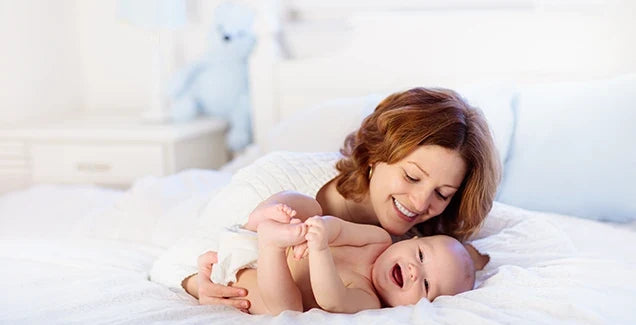
Bringing a baby home is exciting, emotional and slightly chaotic. One minute, you are admiring tiny fingers. The next, you are searching online to check whether that sneeze was normal.
Every parent makes mistakes, especially during those sleep-deprived newborn days. Advice also arrives from everywhere. Grandparents have traditional remedies, friends recommend their favourite Baby products, and social media makes parenting look suspiciously organised.
Here is the comforting truth: your baby does not need perfection. Your little one needs safe care, gentle attention and a parent who is willing to learn. Take a breath, ignore the pressure and watch out for these common baby care mistakes.
1. Buying Every Baby Product You See
Baby shopping can get out of hand quickly. There are warmers, sterilisers, loungers, wipe dispensers and gadgets that promise to solve problems you did not know existed.
Buying too much can leave your home cluttered and make daily care more confusing. Some products may not suit your baby, while others may be useful for only a few weeks.
Start with practical essentials such as comfortable clothing, nappies, gentle washcloths, feeding supplies and a safe sleeping space. Add other Baby products only when you understand your family’s routine. Check age recommendations, care instructions and safety information before using anything.
More products do not automatically mean better parenting. A few well-chosen essentials usually work harder than a cupboard full of impulse purchases.
2. Making the Sleep Space Too Cosy
A cot filled with cushions, stuffed toys and fluffy blankets may look adorable in photographs, but a baby’s sleeping space should be simple.
Place your baby on their back on a firm, flat sleeping surface. Keep pillows, cot bumpers, loose bedding, toys and other soft objects away from the sleeping area. Soft items around a baby’s head can increase the risks of overheating and unsafe breathing conditions.
3. Wrapping Your Baby in Too Many Layers
Our families love keeping babies warm. Unfortunately, “one more layer” can quickly turn into three vests, a sweater, socks, mittens and a blanket during a perfectly warm afternoon.
Small babies are not very good at regulating their temperature, and too much clothing or bedding can cause overheating.
4. Following a Strict Feeding Clock
Newborns do not always respect schedules. They may want to feed sooner than expected, cluster-feed during certain periods or have sleepy days when you need professional guidance.
Waiting only for crying can make feeding harder because crying is often a late hunger cue. Look for earlier signs such as stirring, opening the mouth, turning the head or bringing hands towards the mouth. Responsive feeding means noticing and responding to your baby’s cues rather than forcing every feed into a rigid timetable.
Whether your baby is breastfed, formula-fed or combination-fed, ask your paediatrician for advice tailored to their age, growth and health. Feeding struggles are not a personal failure. Painful feeding, poor attachment, repeated vomiting, low urine output or concerns about weight deserve professional support.

5. Using Too Many Skincare Products
A newborn does not need a complicated ten-step skincare routine. Strong fragrances, harsh cleansers and unnecessary lotions may irritate delicate skin.
Keep bath and skincare routines simple. Choose mild, baby-appropriate products and introduce new items one at a time. This makes it easier to spot the cause if redness or irritation appears.
6. Delaying Nappy Changes
It is tempting to wait a little longer when your baby has finally settled, but sitting in a wet or soiled nappy can irritate the skin.
Check nappies regularly and change them promptly after a bowel movement. Clean the area gently, allow it to dry and avoid rubbing. Make sure the nappy fits comfortably without digging into the waist or thighs.
Keep your changing supplies together so you are not hunting for wipes at 2 a.m. Never leave your baby unattended on a changing table, bed or sofa, even if rolling has not started yet. Babies have an impressive ability to surprise you at exactly the wrong moment.
7. Buying Too Many Newborn-Size Clothes
Tiny outfits are difficult to resist, especially when friends and relatives arrive with newborn baby gifts. The problem is that babies grow quickly, and some newborn-size clothes may be worn only once.
Build a small wardrobe with practical short baby bodysuits, baby rompers, baby footed sleepsuits and weather-friendly layers. Keep a few outfits in the next size ready. Check size charts instead of relying only on age labels, as sizing can vary between brands.
8. Comparing Your Baby with Everyone Else
One baby sleeps for longer stretches. Another rolls early. Someone’s cousin’s child apparently started talking before their first birthday and never cried in public.
Comparisons can turn normal parenting worries into constant stress. Babies develop at different rates, and social media rarely shows the full picture.
Track your baby’s progress with your paediatrician rather than using another child as the standard. Attend scheduled check-ups, keep vaccination records organised and discuss anything that concerns you.
Advice from relatives can be well-meaning, but it does not replace personalised medical guidance. You know your baby’s normal behaviour better than an online parenting reel does.
9. Ignoring Signs That Need Medical Attention
Not every sneeze requires panic, but some symptoms should not be managed through online searches or family remedies.
Seek medical advice if your baby is unusually difficult to wake, struggling to breathe, feeding poorly, repeatedly vomiting, producing fewer wet nappies or looking blue, pale or seriously unwell. A temperature of 38°C or above in a baby under three months needs prompt medical assessment.
Trust your instincts. When something feels wrong, contact your paediatrician or an appropriate emergency service. It is always better to ask than to sit at home worrying.
For comfortable everyday essentials and thoughtful newborn baby gifts, explore our wide range of products. Nintara Baby brings together gentle, functional designs that can make dressing, sleeping and daily cuddles feel a little simpler for you and your baby.


