
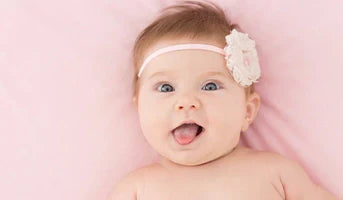
A soft hairband or headband can look adorable in photos and family visits, but it is completely normal to pause and wonder whether it is actually safe. When it comes to your baby, comfort always comes before style. That is why thoughtful choices matter, and why parents often look to trusted names like Nintara Baby when they want products that feel gentle, practical and newborn-friendly.
Baby Hairbands are not automatically unsafe for newborns. In many cases, a soft, lightweight band worn for a short time while your baby is awake can be perfectly fine. The concern is not really the accessory itself. It is how it fits, what it is made from, how long it is worn, and whether your baby is supervised. The linked source makes this point clearly: soft materials, short wear time and close supervision make a big difference, while tight bands, rough fabrics and decorative extras increase the risk of discomfort.
That means parents do not need to feel guilty for liking a stylish accessory. You simply need to treat it as an occasional extra rather than an everyday essential.
Why newborns need extra gentleness
Newborns have very delicate skin and are still adjusting to life outside the womb. Their scalp and skin are much more sensitive than an older child’s, so even something that seems soft to an adult can sometimes rub, leave marks or cause irritation.
This is why the safest approach is always a simple one. If you do use a hairband, it should feel feather-light, breathable and easy to remove. If it leaves any indentation, even a mild one, it is too tight for your baby.
What can make a hairband unsafe?
There are a few things worth watching for.
A band that is too tight may press on your baby’s scalp and leave marks. The source article warns that overly tight headbands can restrict comfort and potentially compress the scalp, especially if worn for long periods.
Materials matter too. Synthetic fabrics, stiff elastic and rough trims may irritate delicate newborn skin. Small decorations such as beads, sequins, bows with glued pieces or buttons may also become a choking hazard if they loosen. The linked article specifically advises choosing soft, breathable fabrics and avoiding embellishments that could detach.
There is also the issue of heat. Babies should not become too warm, especially during rest. The American Academy of Pediatrics’ safe-sleep guidance says babies should not be overdressed, and it advises against indoor hats except in the first hours after birth or in neonatal care. It also says the sleep space should remain free of items that increase the risk of suffocation or strangulation.
That is exactly why hairbands should be taken off before any nap, bedtime or unsupervised rest.
When is it okay to use one?
For most parents, the safest and simplest answer is this: use a hairband briefly, during awake time only, and only if your baby seems happy and comfortable.
A short family photo session, a naming ceremony, a visit with grandparents or a special outing may all be reasonable moments for a soft newborn headband. In those situations, you can keep an eye on your baby, check the fit often and remove it straight away if you notice fussiness, sweating or skin marks. The linked article also recommends limiting wear time and keeping usage occasional rather than prolonged.
If your newborn has eczema, very sensitive skin, or has already reacted badly to certain fabrics, it is worth being even more cautious.
How to choose a safer newborn hairband
If you decide to use one, look for these features:
1. Soft, breathable fabric
Cotton, bamboo, or similarly gentle materials are usually a better choice than stiff synthetic fabrics. Breathable fabric helps reduce rubbing and heat build-up.
2. A very gentle stretch
The band should sit lightly, not grip firmly. You should never have to “make it fit”.
3. No beads, sequins or hard decorations
The simpler the design, the better. Decorative extras may be uncomfortable and can become unsafe if they loosen.
4. Easy removal
If your baby becomes unsettled, you should be able to remove it in seconds without disturbing them.

A newborn-specific fit
Avoid buying an oversized accessory and hoping it will do. Newborn-sized products are more likely to be designed with gentler proportions.
Signs it is not right for your baby
Your baby will often tell you, in small ways, when something does not feel right. Remove the hairband immediately if you notice:
-
red marks or indentations
-
fussiness or repeated attempts to rub their head
-
sweating around the scalp
-
signs of skin irritation
-
the band slipping near the eyes or face
Even if a product is marketed for newborns, your individual baby may simply not like it, and that is completely fine. Some babies tolerate accessories well, while others are much happier without them.
The one non-negotiable rule: never during sleep
This is the most important point of all. Hairbands and headbands should not be worn for naps or nighttime sleep. Safe-sleep guidance for infants is very clear that the sleep area should stay uncluttered, with no items that could contribute to suffocation, entrapment or strangulation. The guidance also says babies should sleep on a firm, flat surface and should not be overheated.
So even if a hairband looks loose and harmless, it should always come off before your baby is put down to sleep.
So, are hairbands safe for newborns? They can be, as long as they are soft, lightweight, non-restrictive and used only for short periods while your baby is awake and supervised. Avoid anything tight, decorative, scratchy or warm, and always remove it before sleep. In other words, style can absolutely meet practicality, but only when safety leads the way. Hairbands are just one of many baby products designed to add comfort and style while keeping your baby’s safety in mind.
If you are choosing newborn baby accessories and want that balance of comfort, simplicity and sweetness, Nintara Baby is a lovely place to begin and end your search.


