
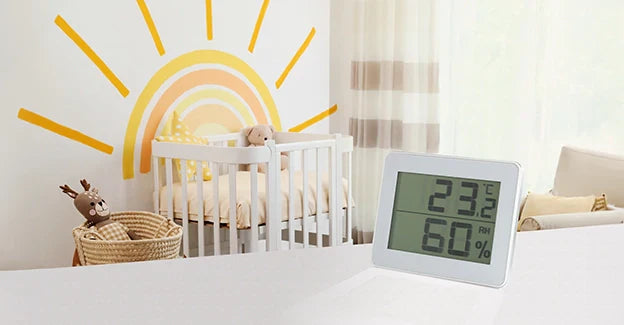
Getting a baby to sleep comfortably can feel like a small daily mission. The room feels a bit warm, then a bit chilly, then you start wondering if your baby needs another layer, fewer clothes, a lighter wrap, or a fan on low. It is easy to overthink it, especially when your baby is wrapped up and cannot exactly tell you, “This feels too hot.”
When babies are wrapped for sleep, room temperature matters even more. A wrapped baby can feel cosy and settled, but too much warmth can quickly become uncomfortable. The aim is simple: keep your baby warm enough to sleep well, but not so warm that they overheat. Choosing breathable baby products such as lightweight swaddle, baby blankets, and sleep essentials can help create a safe and comfortable sleeping environment for your little one.
Why Room Temperature Matters
Babies are still learning how to manage body temperature. Adults can kick off a blanket, move away from heat, or change clothes. Babies cannot do that on their own. That means the room, clothing and sleep layers need to work together.
When a baby is too cold, they may become unsettled or wake often. When a baby is too hot, they may become sweaty, flushed, restless or uncomfortable. Either way, sleep can become harder for everyone.

How to Tell If Your Baby Is Too Hot
Hands and feet can be misleading. Babies often have cool hands or feet, even when the rest of the body is warm enough. Instead, check the back of the neck, chest or tummy. These areas give a better idea of how your baby is really feeling.
Your baby may be too hot if the neck feels sweaty, the chest feels very warm, the hair feels damp, the cheeks look flushed, or breathing seems quicker than usual. If that happens, remove a layer, use a lighter sleep option, or cool the room gently.
Do not panic if your baby feels a little warm. Just make small changes. Take off a hat if one is being used indoors, remove extra layers, open a door, or use a fan to move air around the room. The fan should not blow directly onto your baby.
What Should a Swaddled Baby Wear?
Clothing depends on the room temperature. In a warm room, a short-sleeved vest or light cotton sleepsuit may be enough under a swaddle. In a cooler room, a long-sleeved sleepsuit may be more comfortable.
The fabric matters too. Breathable cotton is usually a good choice because it helps air move and feels soft against delicate skin. Thick, heavy or synthetic layers can trap too much heat, especially if the room is already warm.
Try not to pile on layers “just in case”. Babies do not need to be bundled up like they are going on a winter walk when they are sleeping indoors. Light, sensible layers are much easier to adjust.
Use the Right Sleepwear for the Season
Summer and winter routines should not look exactly the same. In summer, the room may stay warm even at night, so lighter sleepwear is better. In winter, the room may cool down after midnight, so a slightly warmer layer may be needed.
Nintara Baby Sleep Products can help parents choose sleep essentials that feel gentle and practical for everyday use. The main thing is to pick items that support comfort without making your baby too warm.
Keep the Room Comfortable, Not Stuffed Up
A baby’s room does not need to feel heated like a sauna. It should feel comfortable, fresh and calm. If the air feels heavy, open the door slightly or improve airflow. If using air conditioning, avoid making the room freezing cold. A steady, comfortable temperature is better than big changes through the night.
Curtains can help block heat during the day, especially in warmer months. In colder months, check for draughts near windows or doors. The cot should not be right next to a radiator, heater, direct sunlight or air conditioner vent.
Avoid Too Many Extras in the Sleep Space
It can be tempting to add extra blankets, cushions or soft toys because they look cosy. But a baby’s sleep space should stay simple. A firm mattress, fitted sheet and suitable sleepwear are usually enough.
If the room feels cool, use the correct wearable layer instead of adding loose bedding. Nintara Baby Sleep Sacks can be a practical choice when your baby is ready for that stage, because they help keep warmth more even without loose covers.
For younger babies who settle better when wrapped, Nintara Baby Wake Me Not Swaddles™ can provide a snug, soothing sleep option. Always follow age and rolling guidance, and stop wrapping once your baby shows signs of rolling.
Daytime Naps Count Too
Temperature checks are not just for bedtime. Daytime naps can happen when the room is warmer, especially in the afternoon. Sunlight through windows can heat a room quickly, even if it felt fine in the morning.
Before a nap, check the room and your baby’s clothing. If the room feels warmer than usual, choose lighter layers. If the room feels cooler, add warmth through proper clothing rather than piling on heavy covers.
Good baby products should make daily care easier, not more confusing. Choose simple items that suit your baby’s age, the season and the way your home feels during the day and night.
Simple Temperature Tips for Parents
Keep the room between 16°C and 22°C where possible. Use a room thermometer instead of guessing. Check your baby’s neck or chest, not just hands or feet. Choose breathable fabrics. Avoid hats indoors during sleep. Keep the cot away from direct heat or cold air. Use fewer layers in warm weather and sensible layers in cool weather.
Most importantly, keep checking. Babies change, seasons change and rooms change. What worked last month may not be right this month. That is completely normal.
The best setup is not about buying every item on the shelf. It is about choosing baby products that are useful, gentle and suited to your baby’s stage. For soft, thoughtful and comfortable sleep essentials made for everyday parenting, check out Nintara Baby.


