
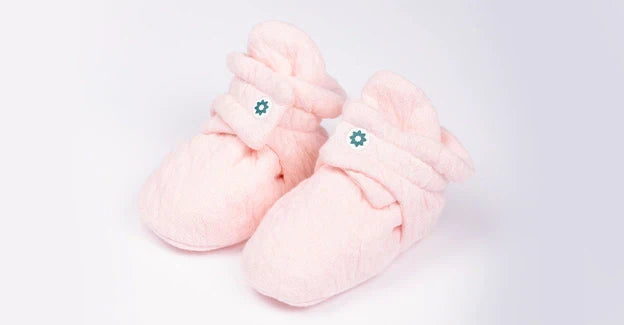
Baby booties are one of those tiny things that look adorable, but they are not just for photos. They can genuinely help your baby stay comfortable, warm, and protected, especially when the weather or the surface around them is not baby-friendly. The key is knowing when booties are useful and when bare feet are actually better.
Babies usually do best when their feet are warm, dry, and free to move. Booties are helpful when your baby needs a little extra warmth or protection. In that case, take a look at Nintara Baby soft baby booties. They are lightweight, cosy and designed to stay on little feet.
What is the purpose of baby booties?
1) Warmth when babies cannot regulate temperature well
Newborns lose heat faster than adults. Their bodies are still learning how to keep a stable temperature, and tiny feet can get cold easily. Booties help keep warmth in, especially when the room is cool or there is a breeze from fans or air conditioning.
2) Comfort during sleep or rest
If a baby’s feet feel cold, it can sometimes make them restless. Soft booties can make naps and nighttime feel cozier, especially in colder months. Not every baby needs them for sleep, but they can help when socks keep slipping off or when the blanket keeps kicking away.
3) Protection from rough or cold surfaces
Once your baby is spending time on the floor, crawling, or standing with support, booties can protect feet from cold tiles, rough carpets, or slightly gritty surfaces. They are especially handy when visiting someone’s home where the flooring is colder than what your baby is used to.
4) Gentle grip for early movers
Many booties come with anti-slip soles or grippy dots. These can help when a baby is learning to stand and cruise along furniture. Socks alone can slide on smooth floors, and that can make early steps feel shaky. Nintara Baby soft cotton booties have gentle elastic paired with adjustable snap buttons to keep them secure without being tight.
5) A barrier between baby and the outside world
Outdoors, even for a short walk, booties help protect from dust, sun-heated surfaces, or cold air. They are not a replacement for proper shoes when a toddler is truly walking outside regularly, but they are useful for quick outings or stroller time.
When should a baby wear booties?
1) In cooler weather
Booties are most useful in winter and during monsoon months when the air feels damp and chilly. If the baby’s hands and feet feel cool, booties can help. A good rule is to dress your baby in one extra light layer than what feels comfortable for an adult in the same room.
2) In air-conditioned rooms
AC can make a room feel comfortable to adults but can chill a baby, especially during naps. Booties work well here, because they keep warmth without adding too much bulk to the whole outfit.
3) During stroller walks or car rides
Even if the day feels mild, moving air can make a baby cold quickly. A stroller walk in the evening, a car ride with AC on, or even a windy balcony moment can make booties a smart choice.
4) When socks keep falling off
Some babies kick off socks like it is their favourite hobby. Booties often stay on better because they can be tied, snapped, or designed with a snug ankle. If constant sock re-wearing is driving you mad, booties can be the easy solution.
5) During floor play in a cold home
Cold tiles are common in many homes. If your baby is doing tummy time, rolling, or crawling on a chilly floor, booties help keep their feet warm. Warm feet often means a calmer, happier baby.
6) When your baby starts to stand
At this stage, safety matters. If the floor is slippery, a grippy bootie is better than plain socks. It helps your baby feel stable while holding furniture and doing those exciting little standing attempts.

When booties are not needed
1) In warm, humid weather indoors
If the room is warm and your baby is comfortable, bare feet are totally fine. In fact, bare feet can help with natural movement and sensory development. Babies learn a lot by feeling different textures under their feet.
2) When your baby’s feet are sweaty
Sweaty feet can lead to irritation and even fungal issues, especially in humid climates. If the feet feel damp, remove the booties, wipe the feet gently, and let them breathe.
3) For long hours without breaks
Keeping booties on all day can trap heat and moisture. Short breaks with bare feet are healthy. A baby’s skin is sensitive, so airflow helps.
4) If the booties are tight or leave marks
Booties should never dig into the ankle or leave deep red lines. Tight footwear is uncomfortable and can affect circulation. Comfort always wins over style.
Choosing the right baby booties
-
Go for soft, breathable materials
-
Cotton and soft knits are great for daily use. They are gentle on skin and reduce sweating.
-
Pick the right size
-
Too big means they fall off. Too small means discomfort. A snug but not tight fit is ideal.
-
Choose secure but gentle closures
-
Booties with soft elastic, Velcro, or tie strings can stay on better. Make sure nothing scratches the skin.
-
For early walkers, choose grip
If your baby is standing and cruising, look for booties with anti-slip soles. This is especially helpful on tiles and wooden flooring.
Why Should You Choose Nintara Baby Soft Cotton Booties
At Nintara Baby, we wanted to create a simple, soft, and secure pair of booties with a thoughtful fit system and organic, safe fabrics. Nintara Baby Soft Cotton Booties:
-
Prevents baby booties from slipping off easily, a common frustration with traditional socks or booties.
-
Provides warmth and protection while staying breathable, reducing chances of sweaty or irritated skin.
-
Offers an adjustable, stay-put fit without being overly tight.
-
Available in soft neutral colours, making it easy to style.
Booties are a helpful little tool, not a strict rule. Trust what you see. Choose Nintara Baby for all your little one’s needs baby products you can rely on. We are sure you won’t be disappointed.


