
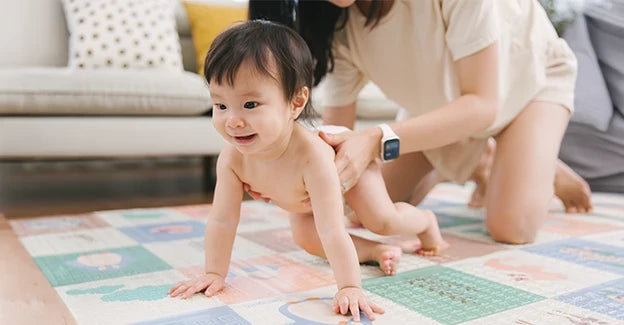
Choosing a baby sleep mat sounds simple until you start browsing and find dozens of options in different fabrics, thicknesses, sizes and designs. Suddenly, a basic baby mat feels like a major parenting decision.
For parents, the right baby sleeping mat should also work well in changing weather, fit into smaller homes and survive plenty of washing. Whether you are creating a cosy daytime rest corner or adding to your list of new born baby accessories, here is what you should check before buying.
Start with How You Plan to Use It
Before looking at colours or prints, think about where and how the mat will be used.
Will it stay in the nursery? Do you want something you can move between rooms? Will you carry it to your parents’ home, use it during travel or place it in the living room for supervised rest?
A mat used in one fixed spot can be larger and slightly heavier. A portable mat should be easy to fold, carry and store. If your home has limited space, choose something that can be packed away quickly without taking over an entire cupboard.
For a comfortable addition to your everyday baby essentials, explore the Nintara Baby Landing Mat.
Choose a Firm and Supportive Surface
Soft and fluffy may sound comfortable, but a baby sleep surface should not be overly cushioned. A mat that sinks deeply under your baby can feel unstable and may not offer proper support.
Look for a baby mat that feels firm, flat and even. Press your hand gently into the surface. It should return to its original shape rather than leaving a deep dent.
The mat should also lie flat on the floor without curling at the edges. Uneven corners can become inconvenient once your baby starts stretching, rolling or moving around.
For sleep, always follow safe sleep guidance and your paediatrician’s advice. Place your baby on their back, keep the area free from loose blankets, pillows and toys, and use the product only in the way recommended by its manufacturer.

Check the Fabric Carefully
Your baby’s skin will spend plenty of time against the mat, so the outer fabric matters.
Choose materials that feel soft, breathable and gentle. Cotton and muslin-based fabrics often work well for Indian weather because they allow better airflow and feel comfortable during warmer months.
Pick the Right Size
A newborn may look tiny on a large mat, but babies grow quickly. Choosing a slightly generous size can give your little one more room to stretch and move during supervised rest and play.
At the same time, bigger is not always better. The mat should fit comfortably in your chosen space without blocking walkways or becoming difficult to store.
Measure the area before ordering. Online product photos can make a mat look larger or smaller than it actually is, so check the listed dimensions properly.
If you plan to carry the mat while travelling, make sure it will fit inside your car boot, suitcase or storage bag. A useful item should simplify your routine, not create a fresh packing problem every time you leave home.
Look for Safe, Neat Construction
Inspect the stitching, zips and edges before using the mat. Seams should feel secure, with no loose threads or small detachable details.
If the cover has a zip, it should be positioned so that it does not rub against your baby. Hidden or covered zips can make the surface more comfortable.
Avoid mats with loose buttons, beads, bows or decorative pieces. Simple construction is usually better for baby products because it is easier to inspect, clean and maintain.
Think About Our Homes and Weather
A good baby sleep mat should work with your home rather than against it. Here’s how
-
Many Indian homes have tiled, marble or stone floors that can feel cool, especially during the monsoon or winter. A mat can create a more comfortable barrier between your baby and the floor.
-
During summer, however, a very thick or heavily padded mat may feel warm. Choose breathable construction and keep checking your baby’s chest or the back of their neck for signs of overheating.
-
Dust is another practical concern. If the mat stays on the floor, clean the surrounding area regularly and air the mat as advised. A washable cover makes daily maintenance much easier.
-
For families who move between rooms, visit grandparents often or travel frequently, portability may matter just as much as comfort.
Do Not Choose by Looks Alone
Cute prints are lovely, and there is nothing wrong with choosing a design that matches your nursery. Just do not let appearance distract you from the features that matter.
A beautiful mat that is difficult to wash, too bulky to store or made from rough fabric will soon become frustrating.
Start with firmness, fabric, construction, size and maintenance. Once those boxes are ticked, choose the colour or pattern you like.
Neutral shades can fit into different rooms easily, while playful prints may brighten a small nursery. The best choice is the one that feels good for your baby and works naturally with your routine.
Choose Comfort That Fits Real Life
The right baby sleep mat should feel safe, supportive and easy to live with. Look for a firm, flat surface, breathable fabric, secure stitching, suitable sizing and simple cleaning. Most importantly, choose a mat that fits the way your family actually lives. Thoughtfully designed for modern parenting routines, the Nintara Baby Landing Mat can bring together comfort, practicality and easy styling in one useful baby mat for your little one.


