
When you are getting ready to breastfeed, everyone talks about pumps, bottles, and burp cloths, but very few people tell you about the quiet little hero of those early months: nursing pads. If you have ever wondered “Do I really need these?” or “When should I start using them?”, this is for you.
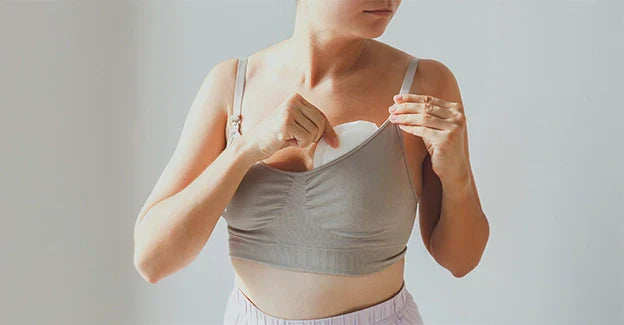
Nursing pads are often an underrated newborn essential. They sit discreetly inside your bra, absorbing leaking breastmilk so your clothes stay dry and you stay comfortable and confident. And with modern Washable Nursing Breast Pads, you don’t have to keep buying disposables or worry about irritated skin.
Let’s walk through when you’re likely to need nursing pads, what to look for, and how the Nintara Baby Nursing Pads can make your breastfeeding journey a lot easier.
What Are Nursing Pads – And Why Do Leaks Happen?
Once your milk comes in (usually a few days after birth), your breasts start responding to your baby’s feeding patterns. In the beginning, your body doesn’t “know” how much milk your baby needs, so it often produces more than necessary. This is why you might notice:
-
Milk dripping between feeds
-
A let-down reflex in both breasts even when baby is feeding from one
-
Wet patches on your bra or clothes without warning
That’s where Nintara Baby Washable Nursing Breast Pads step in. They act like a soft, absorbent shield between your breast and your bra, soaking up leaks so you don’t feel damp, sticky, or embarrassed in public.
Over time, as your supply regulates, leaks may reduce but many mums still experience occasional let-downs, especially when they hear their baby cry, smell them, or even think about them. So it’s handy to have a set of nursing pads ready in your stash of baby feeding products.
When Do You Actually Need Nursing Pads?
Every mum’s body is different, but here are the most common times you will find nursing pads a true newborn essential.
a) Late Pregnancy and Right After Birth
Some mums start leaking a bit of colostrum even in the last weeks of pregnancy. If you notice yellowish or clear drops in your bra, slipping in a pair of Washable Nursing Breast Pads can protect your clothes and save you from frequent bra changes.
Once your milk comes in (usually between days 3–5 after delivery), leaks can be sudden and heavy. Whether you’ve had a normal delivery or C-section, you’ll likely be feeding often, and your breasts can feel full and sensitive. Nursing pads help you feel a little more in control during this overwhelming phase.
b) The First 6–8 Weeks Postpartum
This is the time when leaks are usually the most frequent. Your baby feeds often, your supply is still regulating, and any delay in feeding or a long nap might mean soaked cups in your bra.
During this period, nursing pads are honestly a Newborn essential – especially when you:
-
Go for check-ups or vaccinations
-
Meet visitors at home or outside
-
Step out for a short walk, brunch or a quick grocery run
Having reliable Washable Nursing Breast Pads inside your nursing bra means one less thing to worry about when you’re already adjusting to life with a newborn.
c) Let-Down Triggers and Night-time Leaks
Even after the early weeks, many mums leak from the opposite breast when the baby latches on to one side. Night-time is another common leaking zone – you might wake up with damp pyjamas, bras, and bedsheets.
Using soft, absorbent pads like Nintara Baby Nursing Pads can help protect your sleepwear and bedding, so you’re not doing endless laundry on top of everything else.
d) Returning to Work or Stepping Out Without Baby
When you start pumping at work or you are away from the baby for a few hours, your breasts may feel fuller between sessions. If there’s a delay in pumping or feeding, leakage is common.
Having Washable Nursing Breast Pads in your everyday nursing bra or pumping bra keeps you feeling secure in office clothes, sarees, kurtis, or western wear – no awkward wet circles during meetings or travel.
How to Use Nintara Baby Nursing Pads
-
Place the nursing pad inside your bra, soft bamboo side facing the skin.
-
Replace as needed when pads become damp.
-
After use, place pads in the provided mesh wash bag.
-
Hand wash or machine wash on a cold, gentle cycle.

Why We Chose to Make Nintara Baby Nursing Pads
-
Most nursing pads commonly available in India fall into two camps:
-
Disposable pads – convenient, but create a lot of waste and can feel plasticky
-
Synthetic reusable pads, which are often rough, not breathable, and uncomfortable on delicate skin
-
At Nintara Baby, we wanted something better for Indian mums:
-
Reusable and sustainable
-
Ultra-soft and gentle for sensitive, post-partum skin
-
Highly absorbent, with dependable day-and-night protection
-
Practical for everyday life, which are easy to wash, quick to reuse
So we created Nintara Baby Nursing Pads – Washable Nursing Breast Pads that are thoughtfully designed to support you through the messy, leaky, beautiful reality of breastfeeding.
When you think of a Newborn essential, you probably picture nappies, swaddles, and onesies. But in the everyday life of a breastfeeding mum, nursing pads quietly become just as important. They protect your clothes, your confidence, and your comfort, making breastmilk leaks one less thing to worry about. With reusable, soft, and well-designed options like Nintara Baby’s Washable Nursing Breast Pads, you can care for yourself while caring for your baby – and that balance matters.
If you are putting together your list of baby feeding products for those early months, consider adding a set (or two) of Nintara Baby Nursing Pads to your basket. Your future, sleep-deprived, milk-leaking self will probably thank you.


