
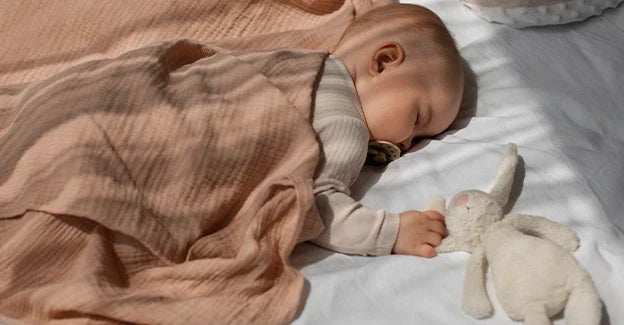
If you’ve ever watched your baby snooze, you already know sleep can look adorable, chaotic, and a little nerve-wracking all at once. One day they’re sleeping like a tiny angel on their back, and the next day they’re trying new moves like rolling, side-lying, or suddenly ending up on their tummy. That’s usually when the big question hits: when is it actually safe for a baby to sleep on their tummy?
Let’s break it down in a simple, stress-free way, so you know what to do at different stages and how to set up sleep in the safest way possible.
Checkout: Softest Baby Sleeping Bags - Made of Organic Cotton with inverted zippers.
The golden rule for newborns: back to sleep, always
For newborns and young infants, the safest sleep position is flat on the back for every sleep, including naps. Even if your baby seems to sleep more deeply on their tummy, the safer option is still back sleeping.
So in the early months, the answer is straightforward: tummy sleeping is not considered safe for babies who can’t roll confidently on their own.
So when does tummy sleeping become “safe”? Here’s the key milestone: when your baby can roll both ways independently, meaning back-to-tummy and tummy-to-back, and can do it consistently.
Once your baby can do that, it generally becomes safer to ‘allow’ them to settle in the position they choose.
-
You still put your baby down on their back at the start of sleep.
-
If they roll to their tummy on their own, and they have the strength and coordination to reposition, you usually don’t need to flip them back repeatedly.
This often happens sometime around 4 to 6 months, but every baby is different. Some roll earlier, some later. The milestone matters more than the age. If your baby is doing the rolling, it’s a sign their body has developed more control, which lowers the risks compared to a baby who can’t move well yet.
What if your baby rolls to tummy and “face plants”?
That moment can be scary. You may see your baby with their face close to the mattress and think, “How is this okay?” What helps is setting up the sleep space properly:
-
Use a firm, flat mattress (not soft, not plush)
-
Use a tight-fitting sheet
-
Keep the crib free of pillows, blankets, bumpers, stuffed toys, and loose items
When the surface is firm and clear, your baby can breathe more safely even if they turn their head or shift.
Don’t panic if tummy sleeping suddenly becomes your baby’s favourite. Many babies roll onto their tummies and start sleeping longer. It’s common. The tummy position can feel cosy and secure, especially when they’ve discovered it themselves.
Instead of fighting it all night, focus on what you can control:
-
Start them on their back
-
Keep the sleep environment safe
-
Dress them safely for sleep
-
Use baby sleep products that reduce the need for loose blankets
Safe sleep setup matters more than the position milestone alone
Even when your baby is rolling, tummy sleep is only “safer” if the environment supports safe breathing and temperature regulation. That’s where the right sleepwear becomes a big deal.

Loose blankets in the crib are not recommended for babies because they can cover the face and interfere with breathing. That’s why many parents are shifting towards Nintara Baby sleep options like organic cotton Nintara Baby Swaddles (for younger babies who aren’t rolling yet) and Nintara Baby sleeping bags (for older babies who are rolling).
Swaddles
If your baby is still in the early newborn stage, a breathable swaddle can be a comfortable option. Something like the Nintara Baby Muslin Swaddle is designed to feel light and airy, which is helpful because overheating is another risk factor during sleep. Muslin is popular because it tends to be breathable and soft on sensitive baby skin.
If you’re building a little collection of baby products and baby sleep products, muslin swaddles are also great beyond sleep. They can double up as a nursing cover, stroller cover, burp cloth, or a light blanket when your baby is awake and supervised.
Want a swaddle for newborns that supports longer stretches without constant wake-ups? The Nintara Baby Wake Me Not Swaddle fits into that “sleep-support” category of baby sleep products. The idea with these types of swaddles is to keep your baby feeling snug and secure, which often reduces sudden flailing that wakes them up. Again, the timing matters. If your baby is starting to roll, it’s time to transition out of any swaddle.
A simple way to remember it: swaddle for the “can’t roll yet” phase only. Once rolling starts, transition to baby sleeping bags
Rolling babies need freedom to move their arms and reposition. That’s why sleeping bags (wearable blankets) are such a popular next step. They keep your baby warm without loose bedding, and they allow safe movement.
The Nintara Baby Baby Sleeping Bags are a good example of a roll-friendly sleep option because they are meant to replace blankets while keeping the sleep space clear. Sleeping bags are also nice because they help maintain a consistent sleep routine. Your baby starts associating the sleeping bag with bedtime, which can make settling easier.
This is often the stage where tummy sleeping becomes more common too. Your baby rolls, finds a comfy position, and stays there. A sleeping bag gives them warmth while still letting them move their head, neck, and body freely.
It’s normal to keep checking, especially the first time you notice tummy sleeping. But once your baby can roll both ways and the sleep environment is set up correctly, you can feel more confident.
The best approach is a mix of milestones and setup. Your baby does their part by learning to roll and reposition. You do your part by keeping the sleep surface firm, clear, and safe, and by choosing the right baby products that support safe sleep.
In short: tummy sleeping becomes much less worrying once your baby is rolling independently, but safe sleep habits still matter every single night. And when you use sleep-friendly essentials like the Nintara Baby Muslin Swaddle in the newborn stage, transition thoughtfully with something like the Nintara Baby Wake Me Not Swaddle before rolling, and then move to Nintara Baby Baby Sleeping Bags once rolling begins, you’re creating a sleep setup that’s both cosy and safety-first.
You got tools now. Sweet dreams ahead.


