
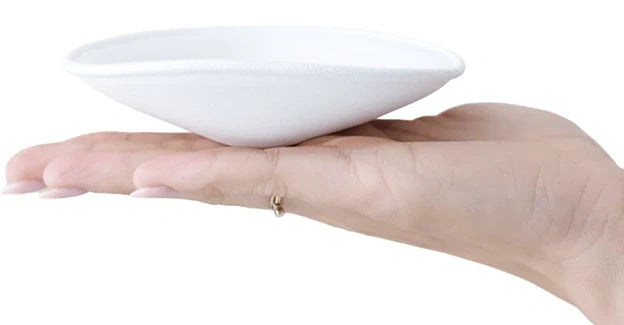
Hey, new mom, leaks happen. That sudden wet spot on your shirt right before a meeting or a playdate? Total buzzkill. Nursing pads help you to stay dry, comfy, and confident while breastfeeding. They catch those milky surprises, so you focus on bonding with your little one.
Here is everything you need to know, from picking the right pads to using them like a pro, with a spotlight on our Nintara Baby Washable Nursing Pads. These reusable gems make leak prevention easy and eco-friendly.
Why Do You Need Nursing Pads
First off, understand why nursing pads matter. Your body ramps up milk production postpartum, and let-down reflexes can strike anytime. Stress, a full bladder, or even hearing a baby cry triggers it. Without pads, you risk stains and discomfort. Good pads absorb fast, wick moisture away, and stay put. They prevent leaks that soak through bras and tops, saving you from awkward changes. Plus, they protect sensitive nipples from rubbing against damp fabric, cutting down on irritation.
Pick pads that fit your life. Think about absorbency, size, and material. Disposable ones are convenient but pile up trash and costs. Reusables like Nintara Baby Washable Nursing Pads shine for daily use. They come in packs of 6, 10, or 14, perfect for rotating while washing. Suitable for any feeding mom, these nursing essentials keep you fresh without breaking the bank.
How to Use Nursing Pads
Now, how do you use nursing pads? Start simple. Slip one inside your bra, with the soft bamboo side facing your skin for that cozy feel. Position it right over your nipple for best coverage. Nursing bras with pockets make this a breeze; just tuck it in. Wear one pad per side and check them throughout the day.
Replace when they feel damp. You might need a fresh pair every 2-4 hours at first, less as your supply evens out. Carry spares in your diaper bag. For Nintara pads, swap them out as needed, then toss the used ones into the provided mesh wash bag. No fuss.

Maximize comfort with these tips. Here’s a quick steps
-
Choose the right type: disposable for convenience, washable for sensitive skin and reusability.
-
Pick the correct size and absorbency for your flow (light vs heavy let-down).
-
Wash hands before handling pads to reduce irritation and infection risk.
-
Place the pad centrally over the nipple area, smooth it flat, and press gently so it sits securely.
-
If it has an adhesive strip, attach it to the inside of your bra cup (not on skin).
-
Change pads often—at least every 3–4 hours, or immediately when damp.
-
After feeds, air-dry nipples briefly before putting on a fresh pad.
-
Use breathable cotton bras and avoid tight fits to prevent soreness.
-
At night, switch to higher-absorbency pads or add a backup cloth layer.
-
If you notice rash, itching, or thrush-like pain, switch materials and speak to a doctor.
Choose pads with breathable layers to avoid trapped heat and rashes. Bamboo, like in Nintara Baby cloth feels cool and soft, ideal for sore spots. Go for contoured shapes that match your breast curve. They prevent shifting during sleep or walks. Layer with a nursing bra one size up for support without squeezing.
Nighttime leaks deserve special attention. You produce more milk then, so double up or pick thicker pads. Nintara's multi-layer design handles heavy flow without bunching. Sleep on your back if possible to minimise pressure. Wake up dry and rested.
What Are Common Issues And How To Tackle Them
Troubleshoot common issues. Pads shifting? Ensure your bra fits snug but not tight. Leaks still happening? Check pad position or upgrade absorbency. Skin irritation? Switch to bamboo or cotton like Nintara for hypoallergenic softness. Odour woes? Their organic bamboo neutralises smells naturally.
Compare reusables to disposables. Disposables absorb well short-term but crinkle, bunch, and cost more long-term. Reusable items save money after a few months and cut waste. Nintara Baby pads reduce leakages effectively with their waterproof back and microfiber core. You get sustainability without sacrificing performance.
Integrate pads into your routine. Pack them for outings. Pair with nursing covers for discretion. Track your cycle; leaks peak early mornings. As the baby grows, needs change, so adjust the pad thickness.
Bonus perks of reusables like Nintara Baby. They are kind to the planet, washing up like regular laundry. The contour keeps them discreet under clothes. Feel good knowing you choose quality over quantity.
Store pads dry in a breathable bag between uses. Refresh by airing them out. With proper care, Nintara pads last months, maybe a year.
What Parents Say
Real talk from moms: Many swear by reusables after disposables failed them. One said Nintara's softness prevented cracks. Another loved not having shirt stains at work. You deserve leak-free days. Nursing pads like Nintara Baby make it happen. Grab a pack of 10, follow these steps, and manage newborn essentials mess-free.
What Sets Nintara Baby Nursing Pads Apart
What sets Nintara Baby Nursing Pads apart? They pack 4-layer protection for top-notch absorption and leak prevention. The waterproof outer layer blocks moisture from reaching your clothes all day. Inside, two layers of absorbent microfiber soak up milk quickly. The ultra-soft bamboo cotton surface feels gentle on your sensitive skin. Their firm yet gentle contour shape hugs your nursing bra, staying in place no matter how much you move. Organic bamboo cotton fights odour naturally, so you stay fresh. The best part? They are reusable, sustainable, and machine washable with a mesh laundry bag included. No more wasteful disposables.
Handle laundry smart to keep pads lasting. For Nintara Baby, hand wash or machine wash on cold gentle cycle after use. Use the mesh bag to protect them. Air dry or low-heat tumble dry. Avoid fabric softeners or bleach; they clog absorbency. Wash after every 2-3 wears. A set of 10-14 lets you wash less often. Pro tip: Pre-soak in cold water with mild soap if milk dries on.


