
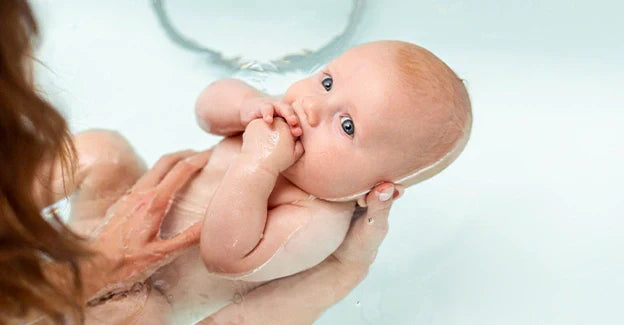
Bath time can be one of the sweetest parts of your day with your baby. Warm water, tiny splashes, that fresh baby smell after, it all sounds dreamy. But if you are even slightly unsure about the “right” water temperature, it can quickly turn into stress. You are not alone.
The thing is that getting the bath temperature right is simple once you know what to aim for and how to check it. With the right routine, bath time can feel calm, safe, and predictable for both of you.
When to Bathe Babies?
Newborns do not need a full bath every single day. In fact, too many baths can dry out delicate baby skin, especially in the early weeks.
Here is a gentle rhythm you can follow:
-
Newborns (0–6 weeks): 3-4 times a week is usually enough. On other days, a warm wipe-down for the face, neck folds, hands, and diaper area works well. Some people employ maalishwali who do it everyday and even that is great.
-
After the umbilical cord falls off: You can shift from sponge baths to tub baths when your baby seems ready and comfortable.
-
Older babies (once they start crawling or solids): You might bathe them more often, depending on mess levels.
The “best time” is whenever your baby is calm, and you are not rushed. Many parents like evening baths because warm water can feel soothing before bedtime. If your baby gets energised by baths, an earlier time may suit better.
Why Bath Water Temperature Matters for Newborns
Newborns are still learning how to regulate their body temperature. They can get cold or overheated much faster than adults. That means bath water temperature is not just about comfort, it is about safety too.
If the water is too hot, it can:
-
Irritate sensitive skin
-
Make babies feel faint or uncomfortable
-
Increase the risk of burns (baby skin is much thinner than yours)
If the water is too cold, it can:
-
Make your baby cry and tense up
-
Trigger shivering and stress
-
Turn bath time into an unpleasant experience they start resisting
The goal is to keep your baby warm, relaxed, and steady the entire time. When the temperature feels right, babies usually settle faster, and bath time becomes a smoother routine.

What Is the Perfect Temperature for Baby Bath Water?
Most paediatric guidance recommends baby bath water around 37°C to 38°C (98.6°F to 100.4°F). Think “comfortably warm,” not hot.
A simple way to remember it: it should feel close to body temperature.
How to check the temperature
-
Use a bath thermometer: This is the easiest and most accurate method. Aim for the 37°C to 38°C range.
-
Use your wrist or inner elbow: These areas are more sensitive than your palms. Dip your wrist into the water. It should feel warm and pleasant, not hot.
-
Stir the water before placing the baby in: Hot spots can happen if warm water was poured in one area.
Room temperature matters too
Even if the water is perfect, a chilly room can make a baby uncomfortable once they come out. Try to keep the bathing area warm and draft-free. Keep a towel and clothes ready so you can wrap your baby quickly.
Quick safety note
Always add cold water first, then warm water, and mix well. And never leave your baby unattended, even for a few seconds.
Tips for a Stress-Free Baby Bathing Experience
Bath time gets easier when you treat it like a little routine rather than a big event. These tips help you feel more in control and help your baby feel secure.
1) Set up everything before you start
Once your baby is in your arms, you should not be reaching across the room for anything.
Keep within arm’s reach:
-
Towel (hooded towel is lovely)
-
Fresh diaper and clothes
-
Mild baby cleanser (optional for newborns)
-
Soft washcloth
-
Cotton pads for eyes (if needed)
-
Moisturiser or oil (if your baby’s skin tends to get dry)
2) Keep baths short
For newborns, 5 to 10 minutes is plenty. Longer baths can cool the water and dry out the skin.
3) Support your baby confidently
If you are doing a tub bath, support the head and neck firmly. Babies relax when they feel stable. You can also use a baby bath support if it helps you feel more comfortable.
4) Wash gently, not thoroughly
Newborn skin does not need scrubbing. Focus on:
-
Neck folds
-
Underarms
-
Hands and feet
-
Behind ears
-
Diaper area
A mild cleanser, 2 to 3 times a week is usually enough. On other days, water alone can do the job.
5) Watch your baby’s cues
You will know bath time is going well when:
-
Baby’s face looks relaxed
-
Crying is minimal or absent
-
Body feels calm, not stiff
If your baby is crying intensely, it could be temperature, hunger, tiredness, or simply needing time to adjust. Try changing one thing at a time, slightly warmer room, shorter bath, or a different time of day.
6) Make the “after bath” transition quick and cosy
The moment your baby comes out, wrap them up immediately. Pat dry gently, especially in skin folds. Moisturise if needed, then diaper and dress.
This is where a snug, soft layer makes a big difference.

Make Post-Bath Comfort Even Better With Nintara Baby
After a warm bath, your baby’s body cools down quickly, and that is when cosy sleep essentials can really help. If you are building a calm bedtime routine, these picks can fit in beautifully.
-
Nintara Baby Muslin Swaddle
Nintara Baby muslin swaddle for newborns are light, breathable, and gentle on skin, which makes them a lovely post-bath wrap. Swaddling after bath time can help your baby feel secure and settle faster, especially in the early months.
-
Nintara Baby Sleeping Bags
As babies grow, many parents move from swaddling to sleeping bags for safer, fuss-free sleep. Nintara Baby sleeping bags keeps your baby warm without loose blankets, which is especially helpful right after bath time when you want steady comfort.
-
Nintara Baby Wake Me Not Swaddle
If your baby startsle easily and wakes up mid-transition from bath to sleep, a structured swaddle can make a real difference. The Nintara Baby Wake Me Not Swaddle is designed to support better sleep by keeping your baby snug and settled, without the struggle of wrapping and re-wrapping.
If bath time is part of your bedtime routine, pairing it with the right sleepwear can turn your evenings into a smoother, calmer flow.
Looking for the Best Baby Brands in India?
When you are choosing baby essentials, it helps to look for brands that focus on:
-
Skin-friendly fabrics
-
Breathable, baby-safe designs
-
Practical features that make daily care easier
-
Quality stitching and comfortable fits
If you want dependable, thoughtful baby sleep and comfort essentials, explore Nintara Baby for swaddles and sleeping bags made with everyday parenting in mind.
The perfect baby bath temperature is not something you need to guess every day. Aim for 37°C to 38°C, keep the room warm, and keep the bath short and gentle. Once you get a routine going, bath time becomes less about worry and more about comfort, bonding, and winding down.


